O projektu
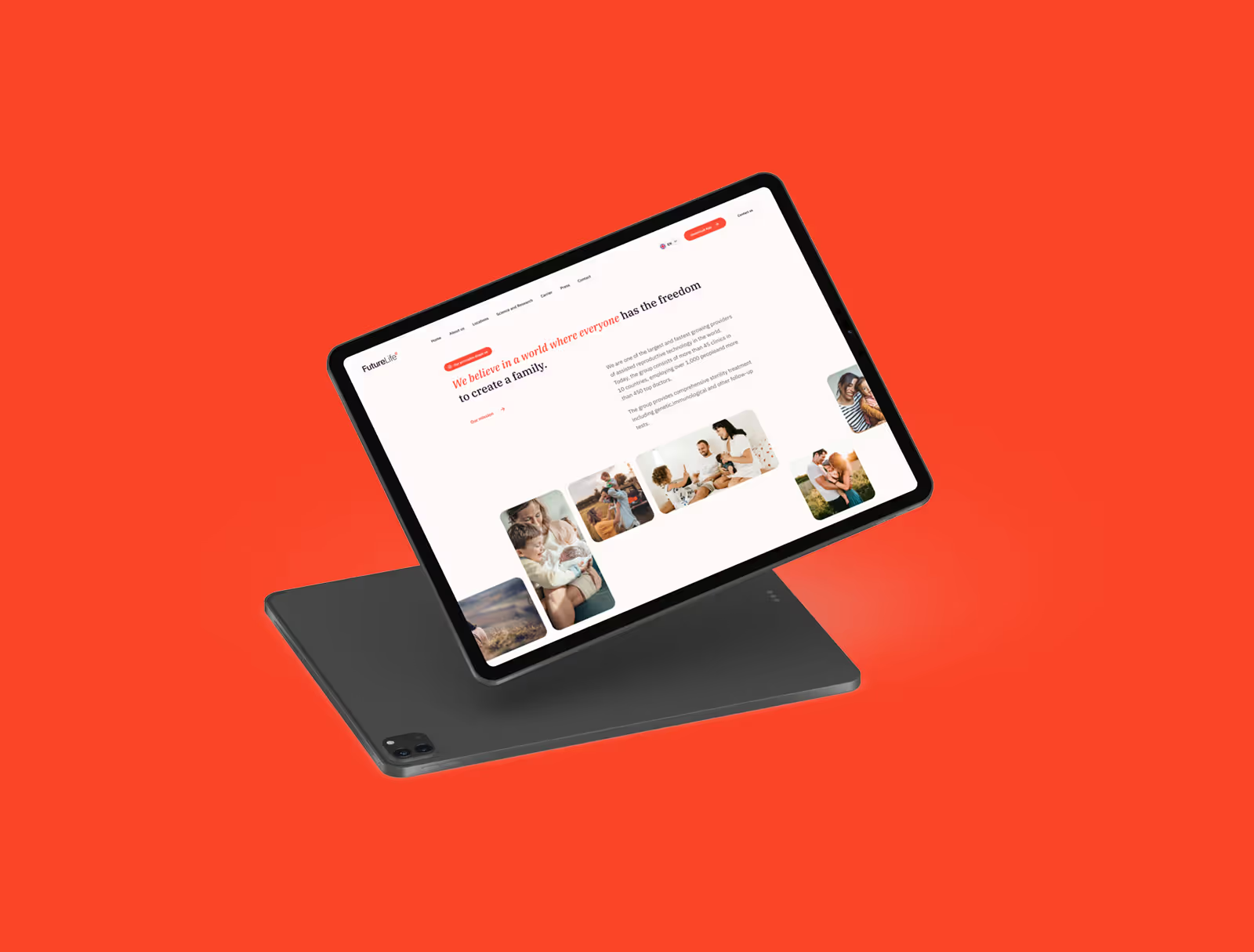
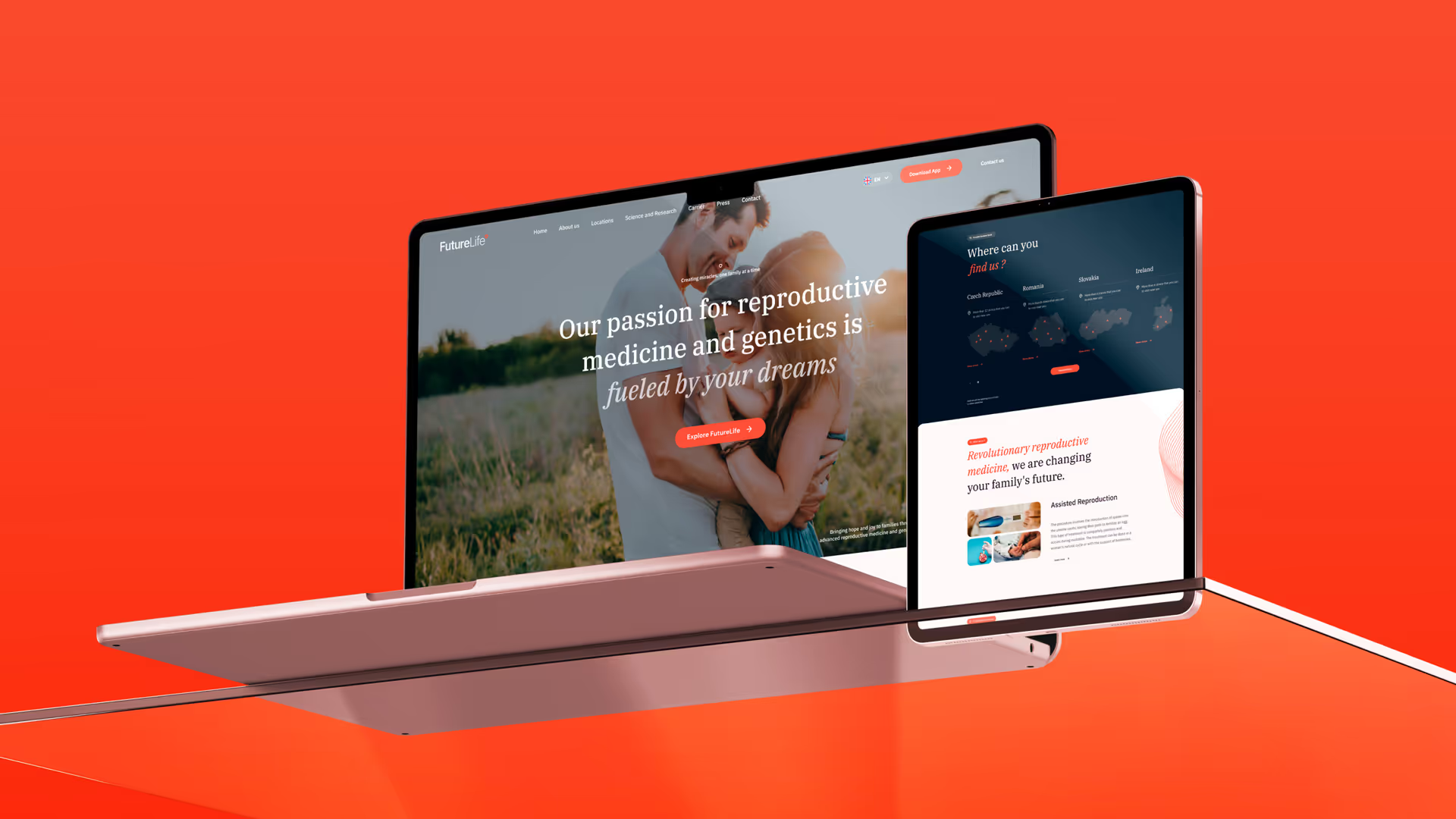
FutureLife operates a network of reproductive health clinics across Europe – each needing a distinct digital presence that balances brand consistency with local market requirements.
WDF engineered a modular design system integrated with Django CMS. Each clinic receives a unique design implementation while maintaining technical consistency, regulatory compliance, and SEO optimization across the network.
Since deployment, WDF has delivered production instances for nine clinics including Sanus, Fertility Madrid, Ovumia, NIJ Clinics, Reprofit, Gynera, FIV Valencia, and Institut Marquès.
Cíle projektu
Turn an internal EMR ecosystem into a patient‑centric service without compromising security or clinical workflows.
FutureLife had a mature EMR (eBase) holding appointments, invoices, medications, lab results and documents – but it was built for internal use, not patient consumption. The portal had to integrate with this without destabilising existing workflows, while delivering a modern, responsive experience.
Reliability was non‑negotiable. Patients need accurate information across devices and time zones. If an appointment changes in the EMR, it must reflect in the portal immediately. If a payment succeeds, both finance and the EMR must stay in sync.
Strategically, FutureLife wanted full ownership and independence. That meant transparent, documented architecture that their team could extend. It also required thinking ahead to internationalisation (including Czech language features), multi‑currency payments, and the ability to scale to new clinics by configuration – not re‑implementation.
Naše role
WDF engineered the complete system – design system architecture, unique clinic designs, Django CMS implementation, and deployment infrastructure.
WDF developed a design system integrated with Django CMS, featuring four foundational patterns representing distinct positioning strategies. For each clinic, WDF's design team creates a unique visual implementation with custom design tokens (typography scales, color systems, spacing variables), compiled into CSS and integrated as Python packages for distribution.
Shared functionality is abstracted into standalone packages with semantic versioning. Updates and fixes deploy network-wide through standard dependency management. Clinic-specific implementations remain isolated, enabling system updates while preserving unique brand identities.
The architecture includes SEO optimization with structured data markup, privacy controls for consent management and data access rights, and a component library enabling content teams to build pages without developer intervention.